Choosing a new kitchen is an exciting step, but it can also feel overwhelming. With so many options available, it’s important to plan carefully to make sure your new space suits both your lifestyle and your budget. Here’s how to approach the process with confidence.
Start by Understanding Your Needs
Think about how your current kitchen works for you. Are you someone who enjoys cooking regularly and needs plenty of worktop space and storage? Or is your kitchen more of a social area where people gather and entertain?
Understanding how you use the space will help guide decisions on layout, storage, and overall design.

Set a Realistic Budget
Kitchen projects can vary significantly in cost, so setting a clear budget from the beginning is key. Make sure you factor in everything units, worktops, appliances, and installation.
A good kitchen designer will help you get the best from your budget and may suggest ways to balance costs. For example, you might scale back slightly on appliances to allow for a premium worktop or upgrade other key features that matter most to you.
Explore Styles and Get Inspired
Spend time researching different kitchen styles to find what suits your taste. Visiting showrooms can be especially helpful, as it allows you to see finishes and layouts in person.
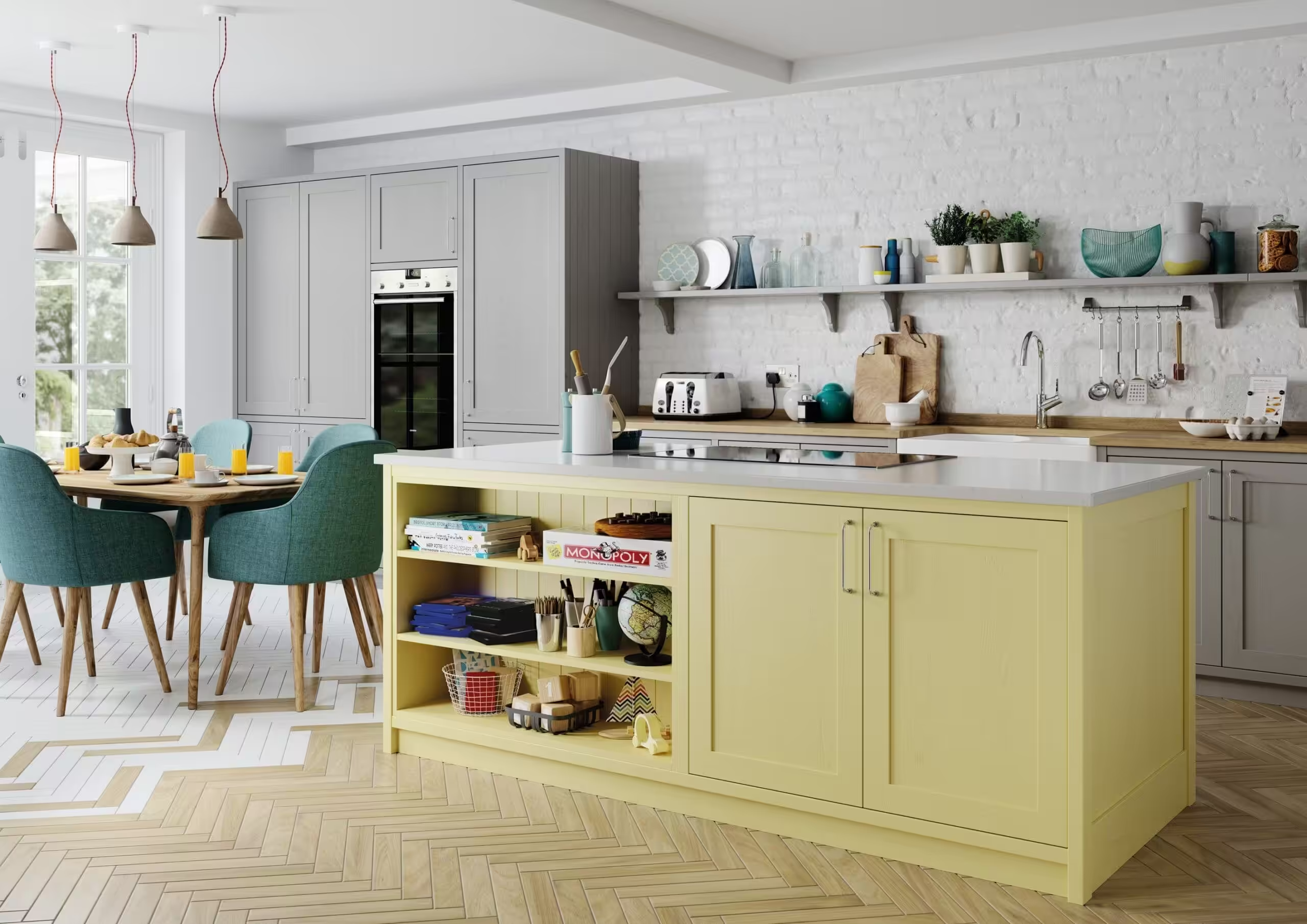
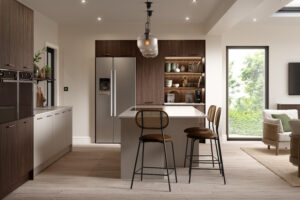
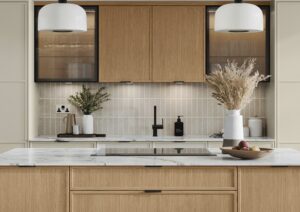
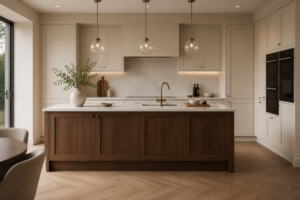
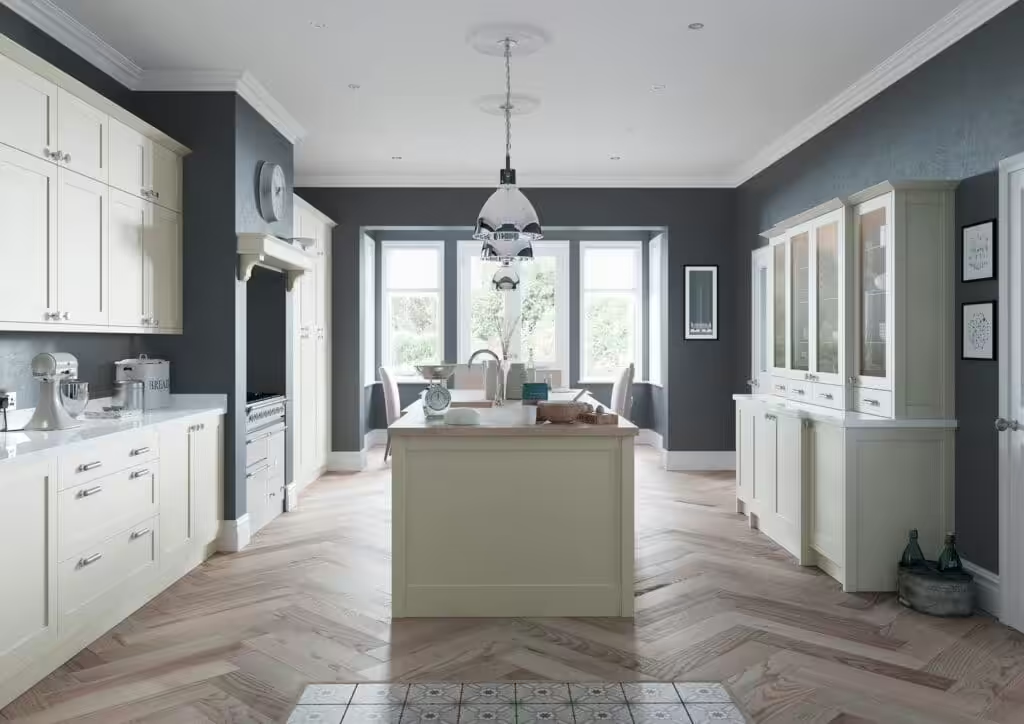
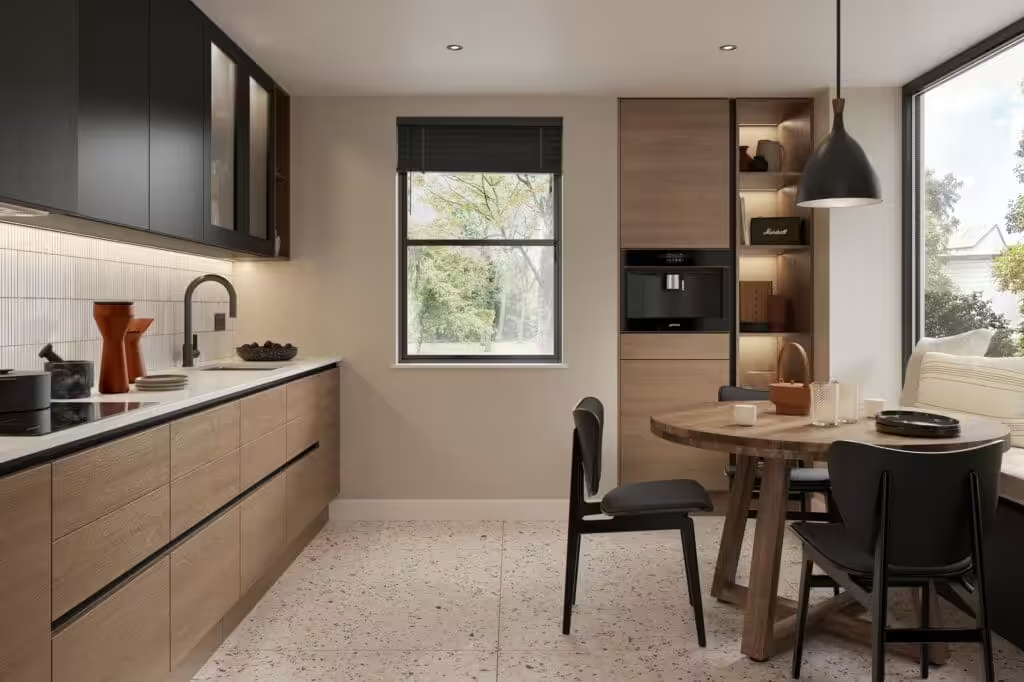
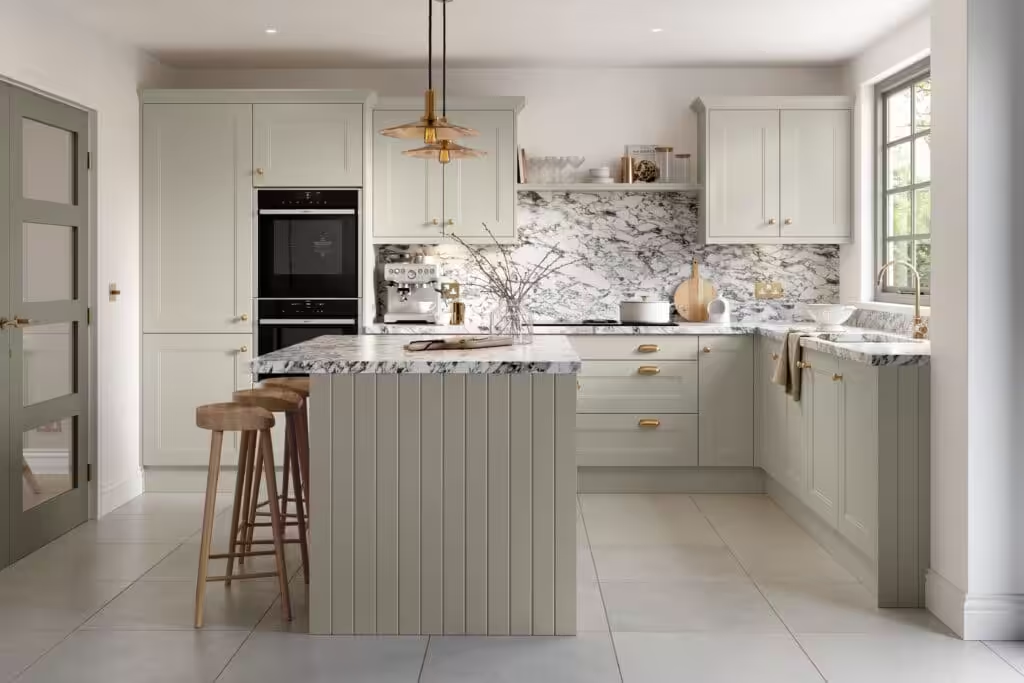
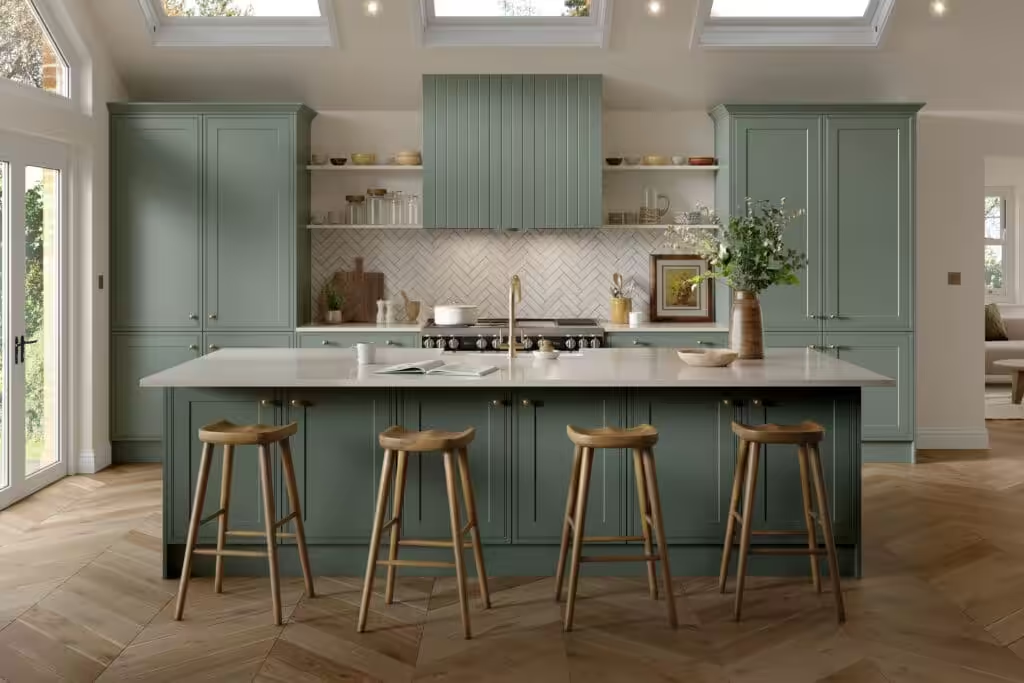
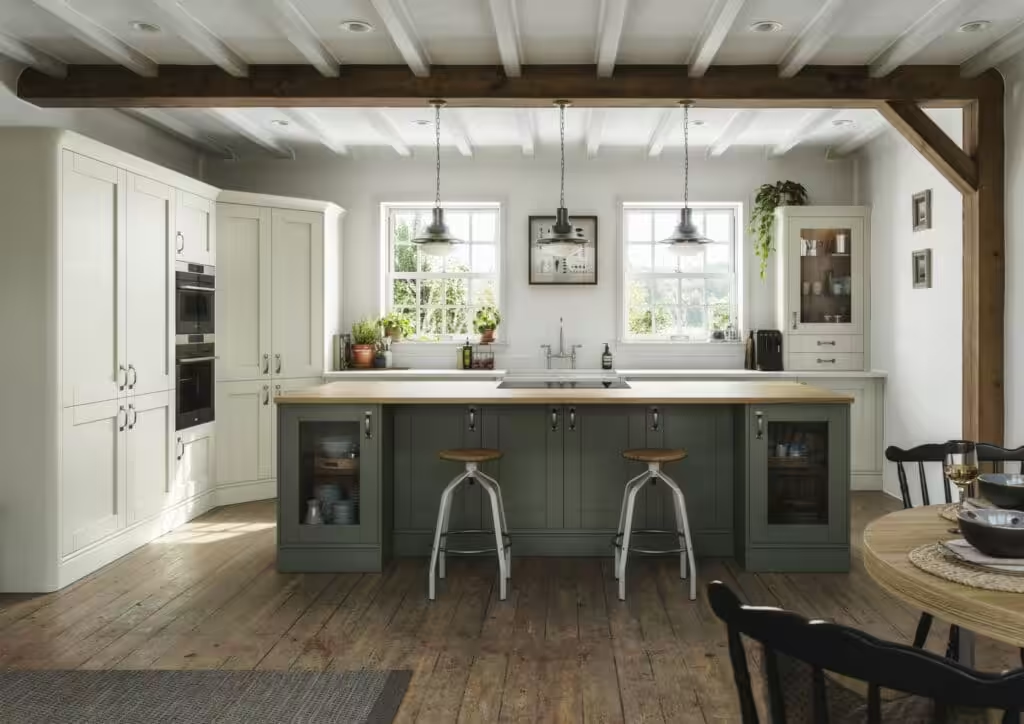
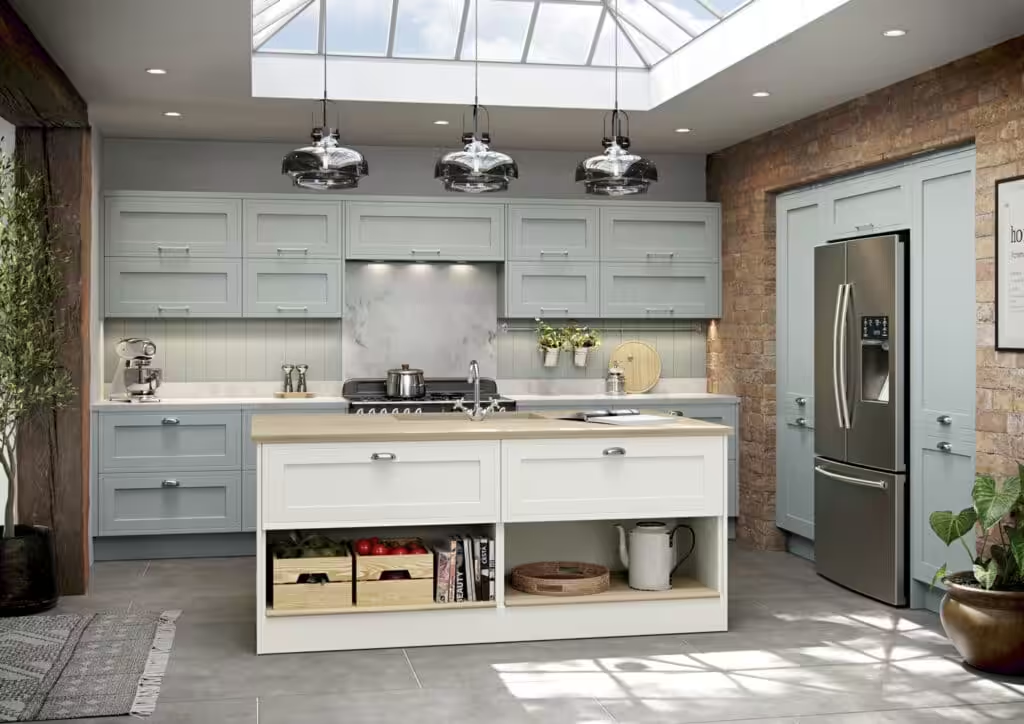
Modern handleless kitchens offer a sleek, contemporary feel, while shaker-style kitchens provide a more timeless look that can be styled either traditionally or with a modern twist.
Platforms like Pinterest and Houzz are great for ideas, but always keep your room size in mind so your plans remain practical and achievable.
Key Things to Think About When Planning Your Kitchen
A well-designed kitchen should combine style with everyday functionality. Here are some important elements to consider:
Layout and Practical Flow
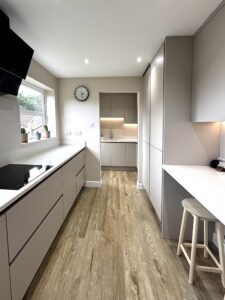
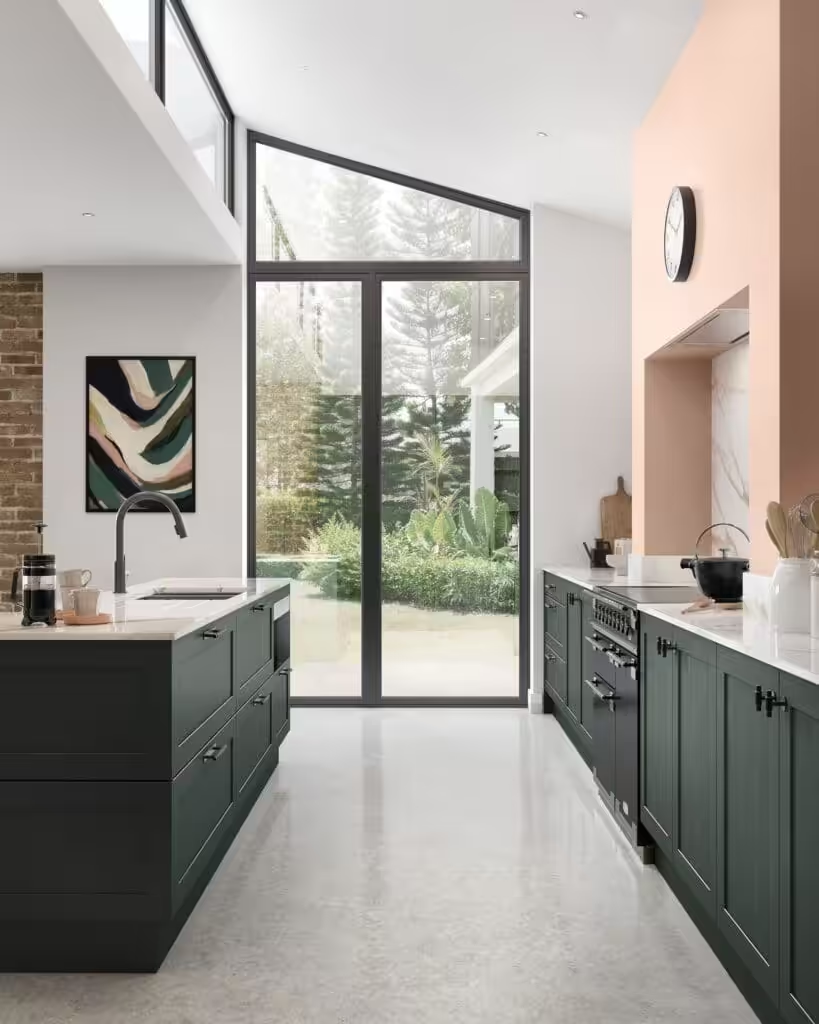
Your kitchen layout plays a huge role in how easy the space is to use. Popular layouts include L-shaped, U-shaped, galley, and open-plan designs.
While your room shape will often dictate the layout, an experienced designer can help you make the most of the space. The traditional “kitchen triangle” (linking the sink, oven, and fridge) is a useful guideline, but it doesn’t need to be followed strictly. The best designs are tailored to how you actually live and move around the kitchen.
Smart Storage Solutions
Storage is one of the most important aspects of any kitchen. While open shelving can look great, practical storage like cupboards and drawers should always come first.
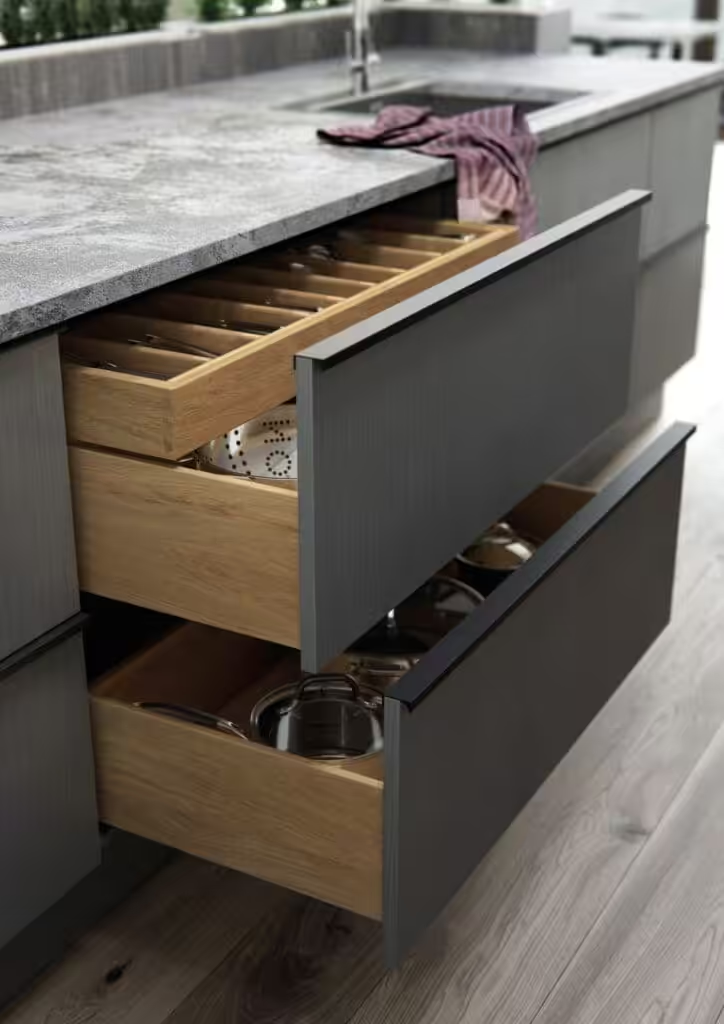
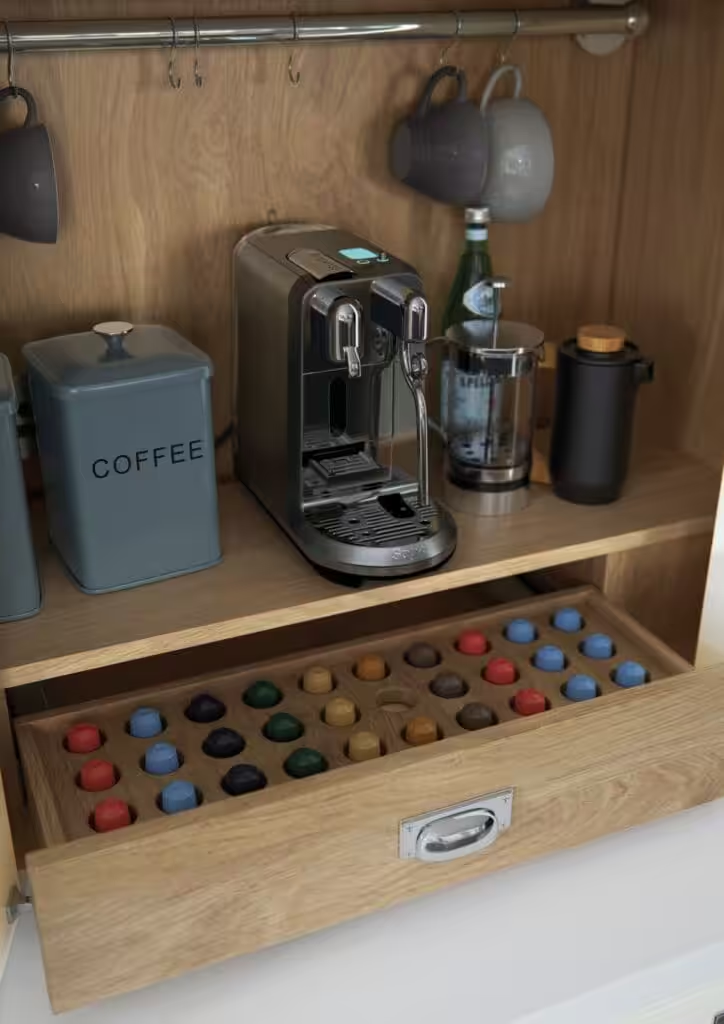
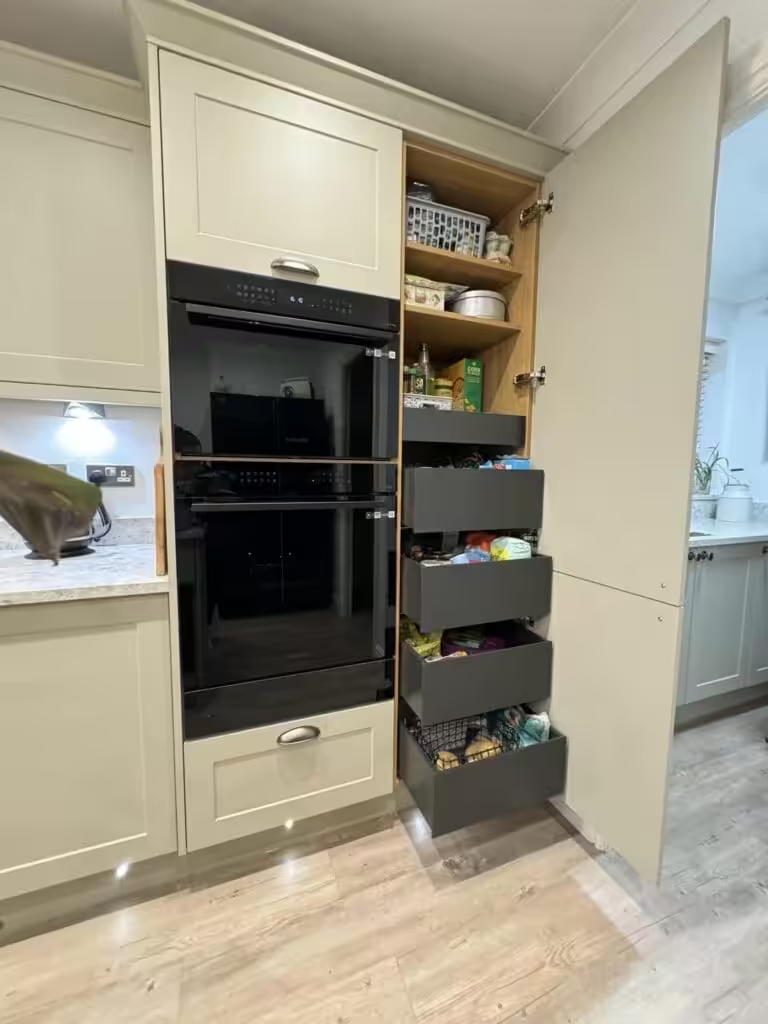
Drawers are particularly effective, as they provide easier access than standard cupboards. Consider adding features like pull-out units, corner storage, or pantry-style cupboards to maximise space especially in smaller kitchens.
Lighting Matters
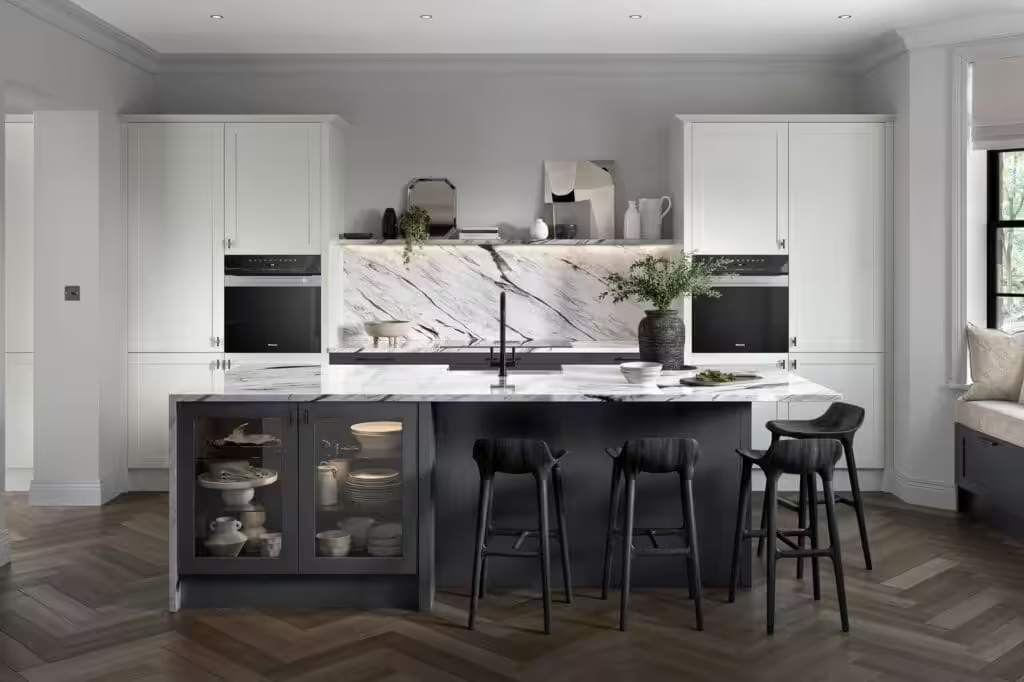
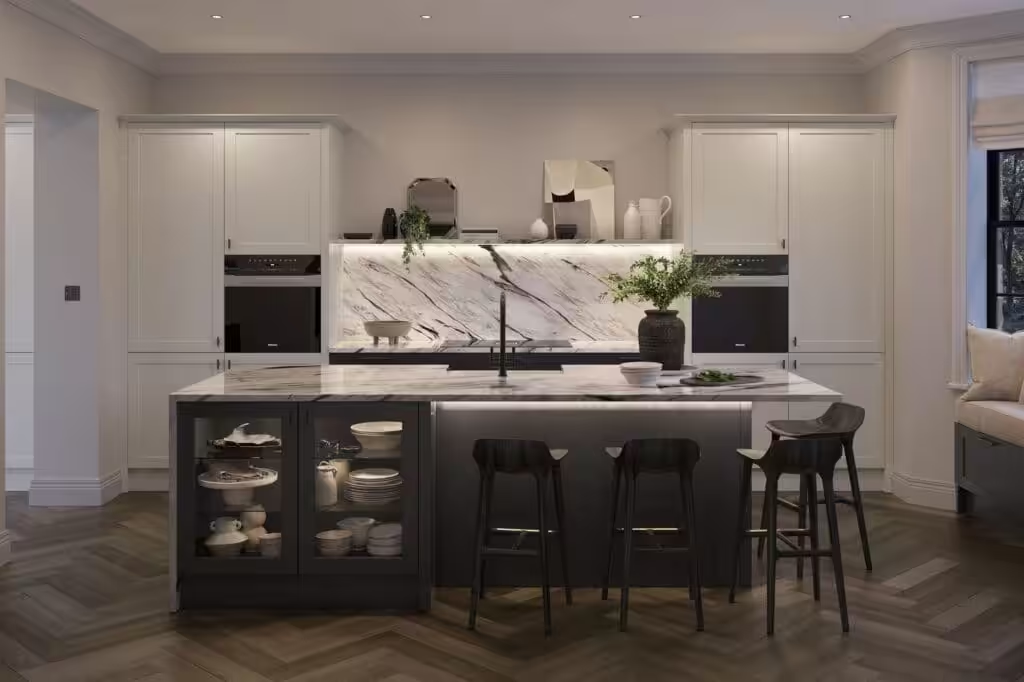
Lighting can completely transform both the look and functionality of your kitchen. A layered approach works best, combining:
- Task lighting (such as under-cabinet lights)
- Ambient lighting (main ceiling lights)
- Feature lighting (like pendant lights or illuminated display units)
Well-placed lighting not only improves usability but also enhances the overall atmosphere of the space.
Choosing Materials and Finishes
Durability is key when selecting materials for your kitchen. Worktops, doors, and flooring should all be hard-wearing and easy to maintain.
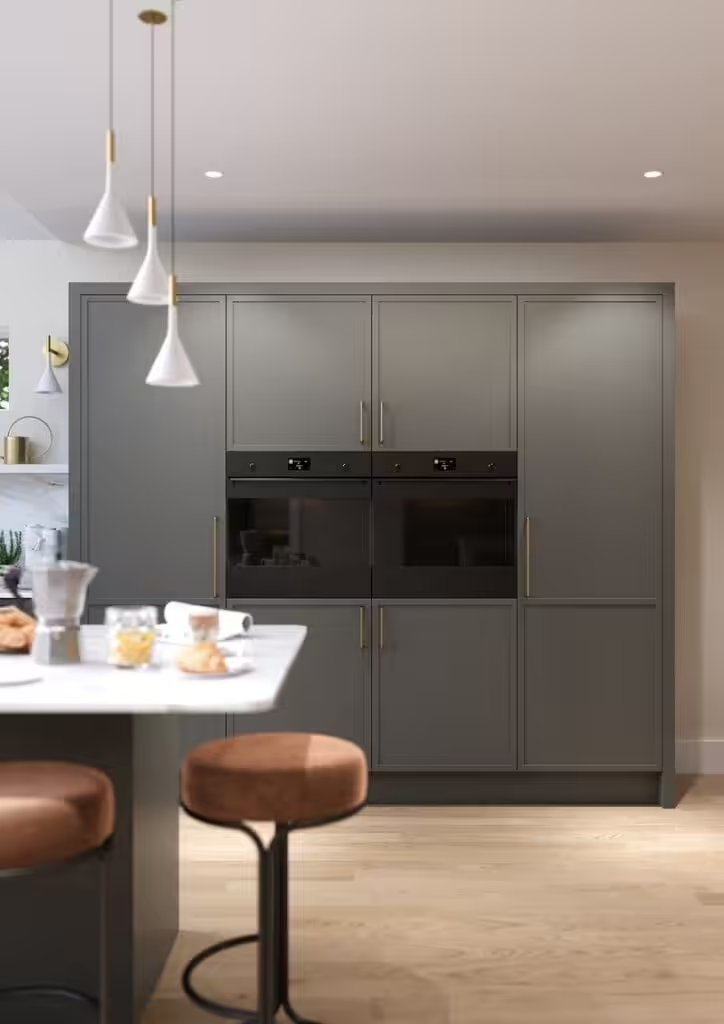
Quartz and porcelain surfaces are popular choices for worktops due to their strength and low maintenance. For cabinetry, modern finishes such as ultra-matt doors are great for reducing visible fingerprints and keeping your kitchen looking clean with minimal effort.
Appliances and Budget Balance
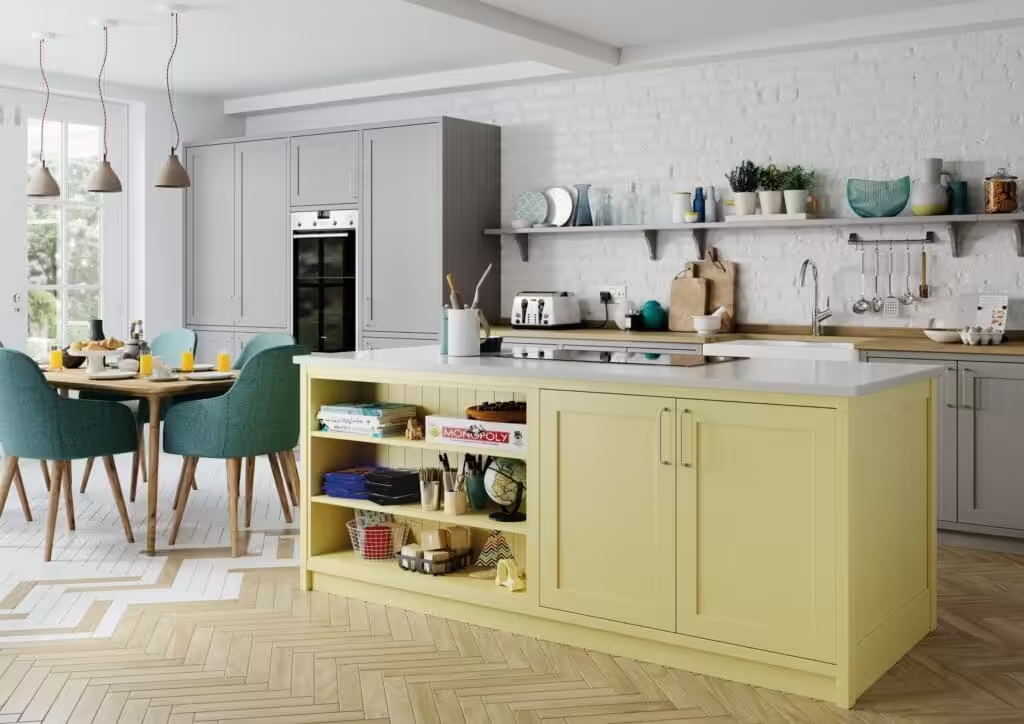
It’s easy for appliance costs to escalate quickly, especially when fitting out a full kitchen. Carefully consider what you actually need and avoid over-specifying if it doesn’t add value to your day-to-day use.
A knowledgeable designer can guide you towards appliances that suit both your cooking habits and your budget.
One area that has evolved significantly is extraction. Modern venting hobs combine induction cooking with built-in extraction, removing the need for traditional overhead extractor fans and opening up more design possibilities.
Important Questions to Ask Before You Buy
Before committing to your kitchen, it’s worth asking your supplier a few key questions:
What’s Included in the Price?
Make sure you fully understand what your quote covers. Does it include installation, plumbing, electrics, and gas work, or just the kitchen units?
Clarifying this early helps avoid unexpected costs later on.
What Guarantees Are Provided?
Check the warranties on both the kitchen furniture and appliances. Reliable brands often offer extended guarantees, which can provide peace of mind and long-term value.
It’s also worth checking the warranty on items like sinks and taps, as these are heavily used and important to the overall functionality of your kitchen.
Can I See Reviews or Previous Projects?
Looking at past work and customer feedback can give you a clear idea of the quality you can expect. It’s a great way to ensure the company aligns with your style and standards.
What Is the Project Timeline?
Ask for a clear timeline from ordering through to installation. Lead times can vary depending on the type of kitchen and finish you choose.
For example, some kitchens may be ready in a few weeks, while others particularly bespoke or painted options can take longer. Knowing this upfront helps you plan accordingly.